Why Early Planning Matters for Custom Retail Fixtures and Joinery
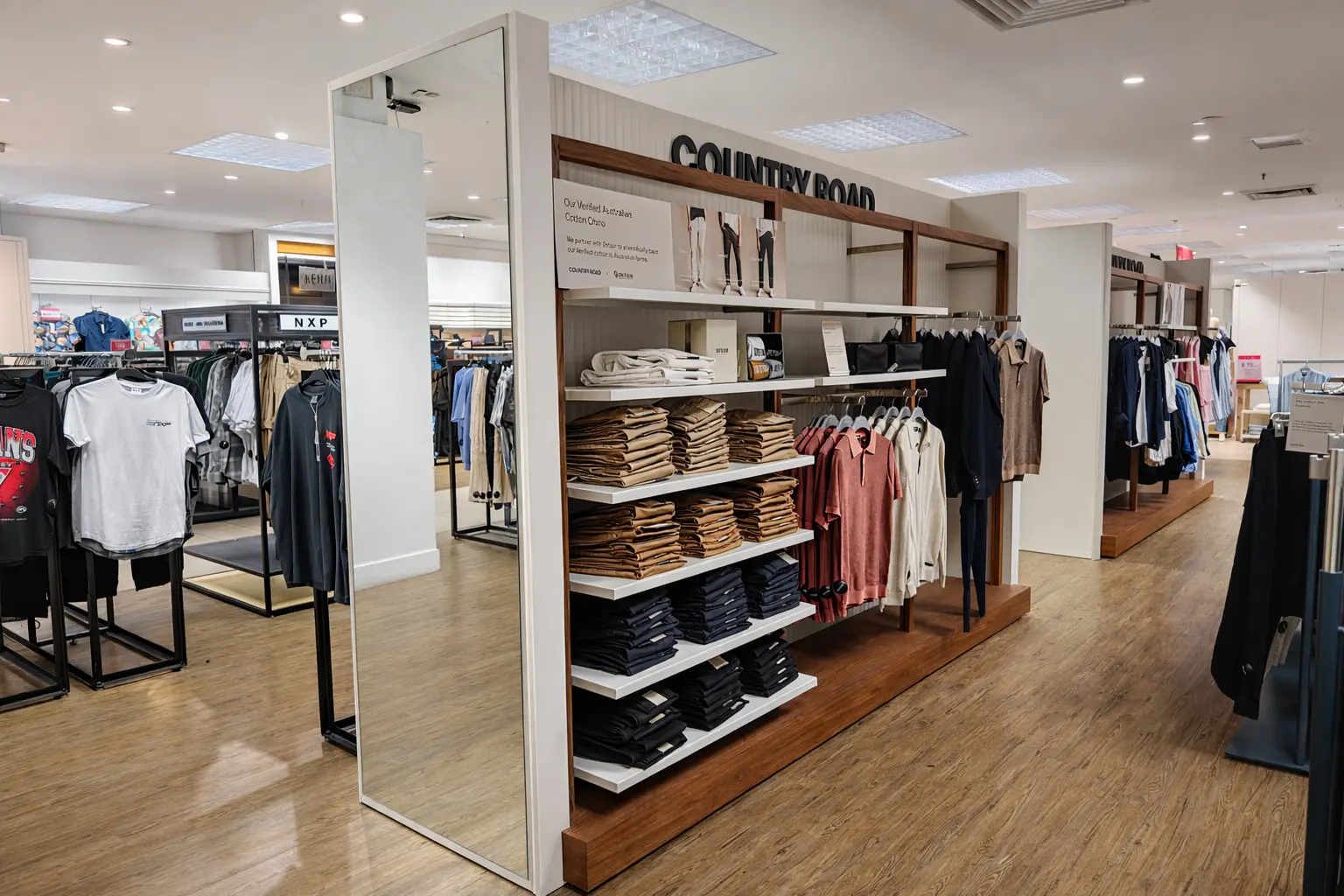
Custom fixtures and joinery play a major role in how a retail or commercial space looks, functions, and performs. They influence the customer experience, support operational flow, and often become some of the most visible elements of a finished environment.
But behind every counter, display unit, shelving system, kiosk, cabinet, or joinery package is a detailed process that starts well before anything arrives on site.
For custom fixture and joinery projects, lead time matters. While every project is different, a typical programme from job commencement through to site delivery is around 12 weeks. Larger or more complex projects may take longer, while some programmes can be accelerated when required. However, fast-tracking a project relies on clear information, quick decisions, and careful coordination from the outset.
The key point is simple: quality outcomes are not created by rushing the final stages. They are protected by planning early.
The 12-Week Journey Behind Custom Fixtures
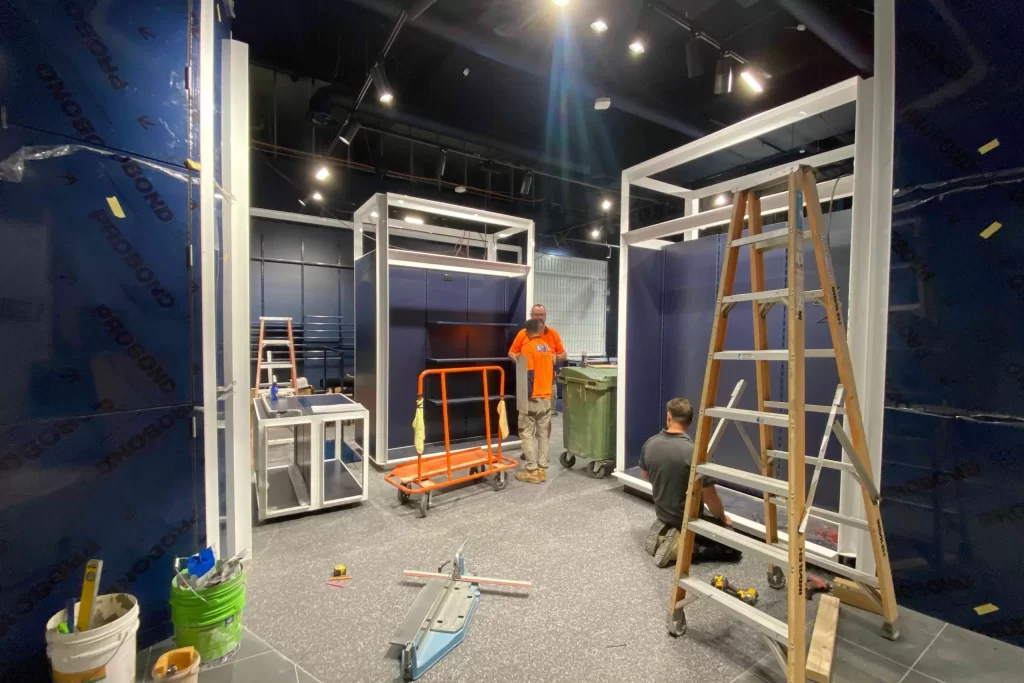
A custom fixture project is not simply a matter of placing an order, manufacturing the item, and delivering it to site. There are several critical stages that need to happen in sequence, and each one helps reduce risk before the next stage begins.
A typical custom fixture and joinery process may include:
Stage | Typical Duration | Key Activities |
Pre-manufacture | 2 weeks | Site measurements, samples, drawings, approvals, sizing confirmation, purchase order alignment |
Manufacture | 6 weeks | Production commencement, progress updates, quality checks, packaging, shipping preparation |
Shipping and delivery | 4 weeks | Freight coordination, delivery details, site access, customs where relevant, proof of delivery, warehouse checks |
Installation and finishing | Project dependent | Installer coordination, installation, completion photos, warranty records |
Close-out | As required | Final documentation, project records, finance close-out |
Each of these stages contributes to the quality, accuracy, and reliability of the final result.
When one stage is compressed or skipped, the risk does not disappear. It usually moves further down the programme, where it can become more difficult and costly to resolve.
What Happens Before Manufacture Begins?
The pre-manufacture stage is one of the most important parts of the process.
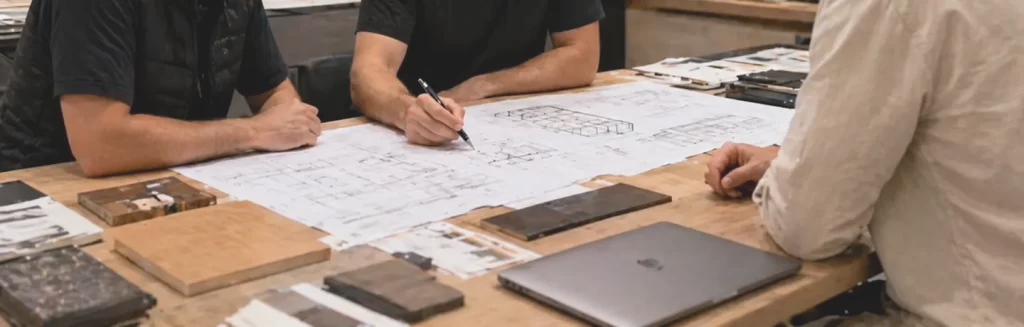
This is where the project moves from concept into something that can be accurately made, packed, transported, and installed. During this stage, the team may need to confirm:
- site measurements and client acceptance
- final concept or construction drawings
- shop drawings and sizing
- samples, finishes, and materials
- purchase order details
- factory dates and production requirements
- client approval to proceed
These steps can feel administrative, but they are essential. A fixture that is beautifully manufactured to the wrong size, finish, or detail is still a problem.
This is why early approvals matter. Delayed feedback on drawings, late changes to finishes, or uncertainty around site requirements can place pressure on the entire programme.
Where possible, clients should aim to finalise key decisions before manufacture begins. This gives the project team the best chance of protecting both quality and delivery dates.
Manufacture Requires More Than Production Time
Once manufacture commences, the focus shifts to production, coordination, and quality control.
During this stage, the fixtures team may track progress photos, undertake quality inspections, prepare packaging documentation, confirm packing lists, and coordinate shipping requirements.
For custom fixture and joinery work, this stage is where detail matters. The team needs to ensure that what has been approved is what is being produced, and that the finished items are prepared properly for transport and site delivery.
Packaging is also an important part of the process. Fixtures often need to move through multiple handling points before they reach their final destination. Poor packaging or unclear documentation can create avoidable issues at delivery or installation.
A strong manufacture phase is not just about making the product. It is about making sure the product is checked, protected, documented, and ready for the next stage.
Delivery and Site Readiness Are Critical
Shipping and delivery are often underestimated in project planning.
Even once fixtures have been manufactured, there are still several practical steps to manage before they arrive on site. These may include:
- confirming delivery dates and access requirements
- communicating with the receiver or site team
- managing shipping and customs documentation where required
- booking delivery or freight
- confirming payment milestones prior to delivery
- checking goods at the warehouse or cross-dock
- obtaining proof of delivery and sign-off
For retail projects, site access can be particularly important. Shopping centres, live environments, loading docks, restricted delivery windows, and staged works can all affect how and when fixtures can be delivered.
Clear communication before delivery helps reduce the risk of delays, missed bookings, damage, or confusion on site.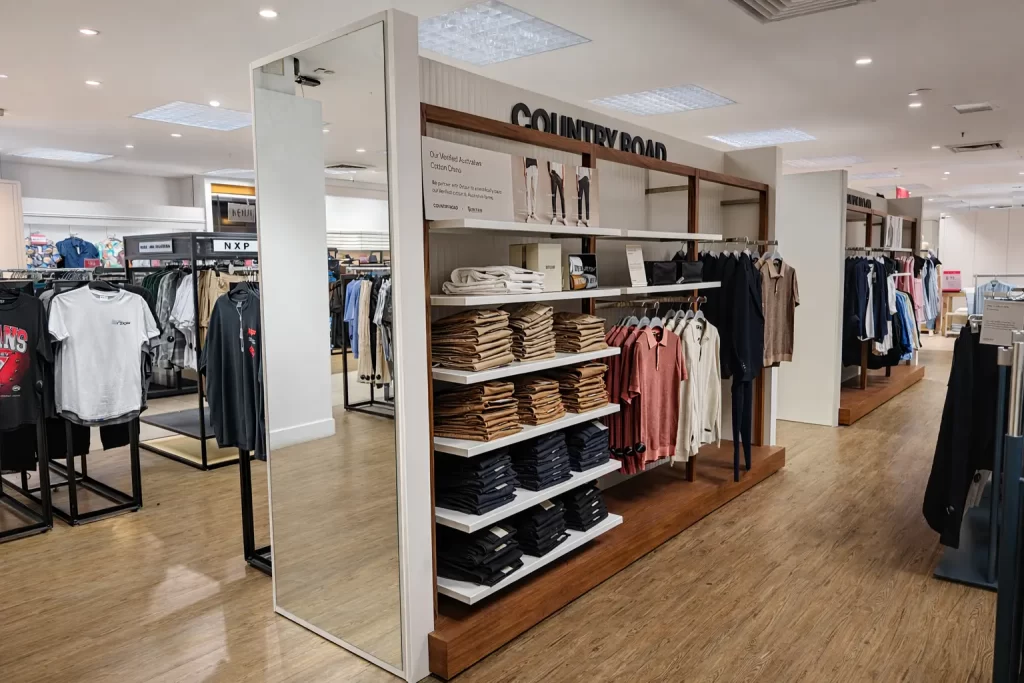
Installation Is the Final Step, Not the Only Step
By the time fixtures reach site, a large amount of work has already taken place.
Installation and finishing may include phone coordination with the installation team, site visits where required, installation guidance, completion photos, warranty records, and final documentation.
This stage is where all previous decisions come together. Accurate drawings, confirmed measurements, approved samples, clear packing information, and well-planned delivery all make installation smoother.
The goal is not just to install the fixture. The goal is to complete the project properly, with the right records in place for warranty, maintenance, marketing, and future reference.
Why Shortcuts Create Risk
There are times when project timelines need to be accelerated. Store openings, rollouts, refurbishments, landlord deadlines, and trading requirements can all create pressure.
In some cases, a compressed programme can be achieved. However, this depends on the complexity of the project, the availability of information, the speed of approvals, and the ability to coordinate manufacturing and delivery requirements.
What creates risk is not speed on its own. The risk comes from removing important checks without replacing them with clear decisions and strong communication.
Shortcuts can affect:
- measurement accuracy
- drawing alignment
- finish and sample approval
- manufacturing quality
- packaging and freight readiness
- delivery coordination
- installation outcomes
- warranty and close-out records
A rushed project can still succeed, but only when everyone understands the critical path and acts quickly at the right points.
Working Backwards from the Required Delivery Date
One of the most effective ways to protect a project timeline is to work backwards from the required site delivery date.
This is especially important for projects, where design, documentation, approvals, and manufacture need to be coordinated around a fixed deadline.
By identifying the final delivery date early, the project team can map out when key decisions need to happen, including:
- when site measurements must be confirmed
- when drawings need to be approved
- when samples or finishes need to be selected
- when manufacturing needs to commence
- when shipping or delivery must be booked
- when installation information needs to be issued
This approach gives clients greater visibility and helps prevent late decisions from creating pressure at the end of the programme.
It also allows the fixtures team to flag risks earlier, rather than waiting until the timeline is already compressed.
The Value of Early Engagement
The best outcomes are often achieved when the fixtures team is involved before the project becomes urgent.
Where a project is highly likely to proceed but formal award is still pending, early pre-manufacture planning can make a meaningful difference. This may include preparing samples, confirming sizing, progressing shop drawings, or identifying long-lead items.
Starting this work early can provide a valuable head start once the project is formally approved.
For clients, this does not mean committing to every final detail before they are ready. It means having the right conversations early enough to understand what information is needed, what decisions are time-critical, and what risks may need to be managed.
In the current market, where deadlines are tight and opportunities move quickly, early planning can be the difference between a realistic programme and a missed opportunity.
How Clients Can Help Protect Their Programme
Clients, designers, architects, project managers, and procurement teams can all help keep fixture and joinery projects on track by engaging early and maintaining clear communication.
Some practical ways to support the process include:
- sharing required delivery or opening dates as early as possible
- confirming site access requirements and delivery constraints
- approving drawings and samples promptly
- advising of design changes as soon as they arise
- confirming finishes, materials, and quantities early
- flagging any staged delivery or installation requirements
- engaging the fixtures team before formal award where timelines are tight
The earlier these items are known, the easier it is to build a realistic programme and protect the final result.
Good Fixture Outcomes Are Planned
Custom fixtures and joinery are an important investment. They need to be functional, durable, accurate, visually aligned with the brand, and suitable for the environment they are being installed into.
Achieving that outcome takes more than manufacturing alone.
It requires planning, documentation, approvals, quality checks, packaging, freight coordination, installation support, and close-out records.
A clear process helps ensure that every stage is considered and that risk is managed before it affects the final result.
For clients planning an upcoming store opening, refurbishment, rollout, or custom fixture package, the best time to start the conversation is early. Even if the project has not yet been formally awarded, early planning can help identify lead times, clarify key decisions, and protect critical dates.
Because when it comes to custom fixtures and joinery, a successful outcome is not just made.
It is planned, checked, coordinated, delivered, installed, and documented.
Attribution
This article was originally developed by Associated Projects for BDC distribution and has been adapted here for the Associated Projects website.