Where Great Spaces Begin: Inside AP’s Concept & Design Process
When people think about a successful fit-out, they often picture the finished result; the polished interiors, the carefully selected finishes, the lighting, the customer experience and the way the space comes together.
What many don’t see is the work that happens long before construction begins.
At Associated Projects, every successful project starts with a strong concept and thoughtful design process. It’s where ideas are explored, challenges are solved, and a client’s vision begins to take shape. Helping lead that process is Architect and Designer, Malcolm, whose passion for design began long before he entered the industry.
A Passion That Started Early
For Malcolm, architecture wasn’t a career discovered later in life, it was something that had always been there.
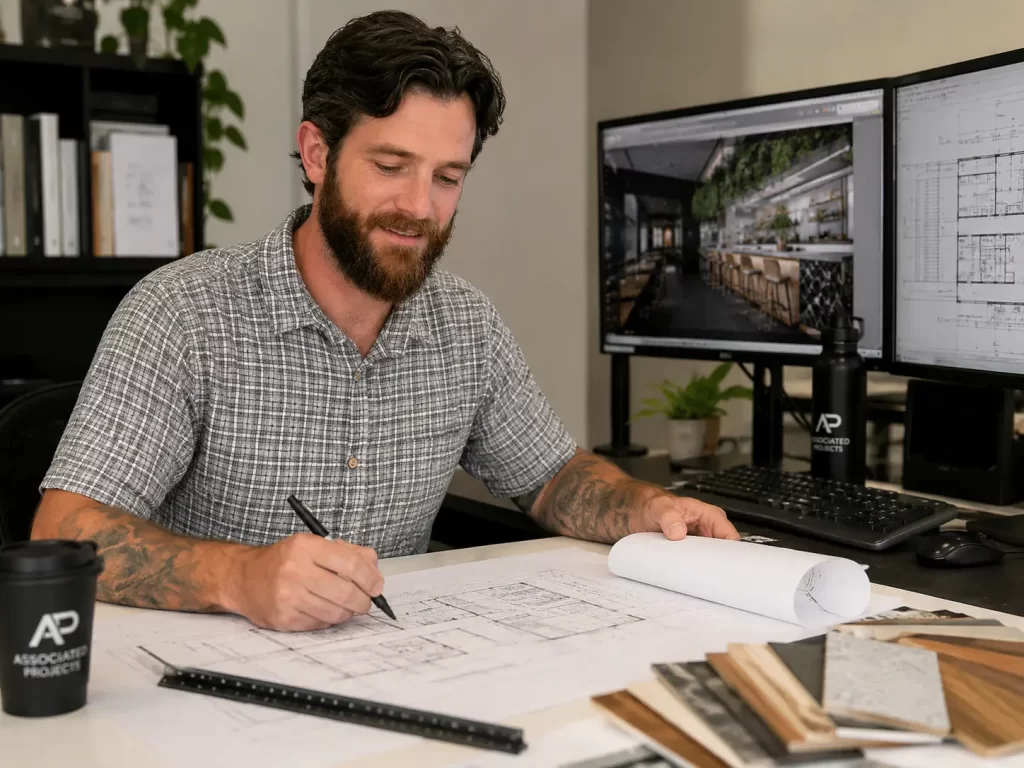
“Throughout school I was always drawing or designing something,” he explains. “I studied graphic design, art, photography and woodwork. During my final year, we had the opportunity to actually help build a four-bedroom house on the school grounds. That was the moment that really sparked my interest in the design of buildings.”
After finishing school, Malcolm spent a gap year travelling through England and Europe.
“The architecture over there is absolutely incredible and still mind-boggling to this day. I knew then that’s what I wanted to study.”
Today, that passion translates into creating spaces that are not only visually appealing but highly functional for the people who use them.
Designing With Purpose
At the heart of Malcolm’s design philosophy is a simple principle: Form follows function.
“I’m a strong believer in form follows function, the human experience, and simplicity,” he says.
While visual appeal is important, the intended purpose of a space is always the starting point.
“With commercial design, the function of the space is the main driver, along with the limitations of the building size and existing layout.”
This practical approach helps ensure every design decision supports the way a space will actually operate once completed.
Why Early Collaboration Matters
One of the key advantages of Associated Projects’ Design & Construct model is the close collaboration between designers and builders from the very beginning.
“As designers, we can propose anything we like, but it all comes down to how it will actually be built and the cost of doing so,” Malcolm explains.
By involving construction expertise early in the process, the team can align designs with budgets, improve buildability, reduce delays and create a smoother path from concept through to completion.
It also allows clients to make informed decisions earlier, avoiding costly redesigns later in the project.
Balancing Creativity, Practicality and Budget
Commercial design is often about finding the balance between ambition and reality.
For Malcolm, understanding a client’s goals and budget from the outset is critical.
“It begins with understanding the budget the client has to work with and their main goals for the space. Finishes selection plays a large role in this too, there’s a lot of value engineering involved.”
The result is a design that delivers impact where it matters most while remaining commercially viable.
Creating Spaces That Work
When asked how he creates spaces that are both visually impressive and operationally effective, Malcom’s answer comes back to process.
“We get the layout correct first, then move into the concept phase.”
Once the functionality is established, the visual layers begin to take shape through colour palettes, finishes, lighting and material selections.
“Lighting design and finishes selection play a huge part in the overall experience.”
This approach ensures the final space doesn’t just look good in photographs; it performs well for staff, customers and visitors every day.
Projects That Stand Out
Over the years, Malcolm has worked on a diverse range of projects across hospitality, recreation and education.
Among the most memorable are X-Golf Southbank and X-Golf Rockingham, projects that involved significant concept development and creative input to create engaging recreational hospitality venues.
He also reflects proudly on Hotel Lona, one of his first major hospitality projects with Associated Projects.
“It involved collaborating with interior designers and various consultants to extend the second storey of a heritage building.”
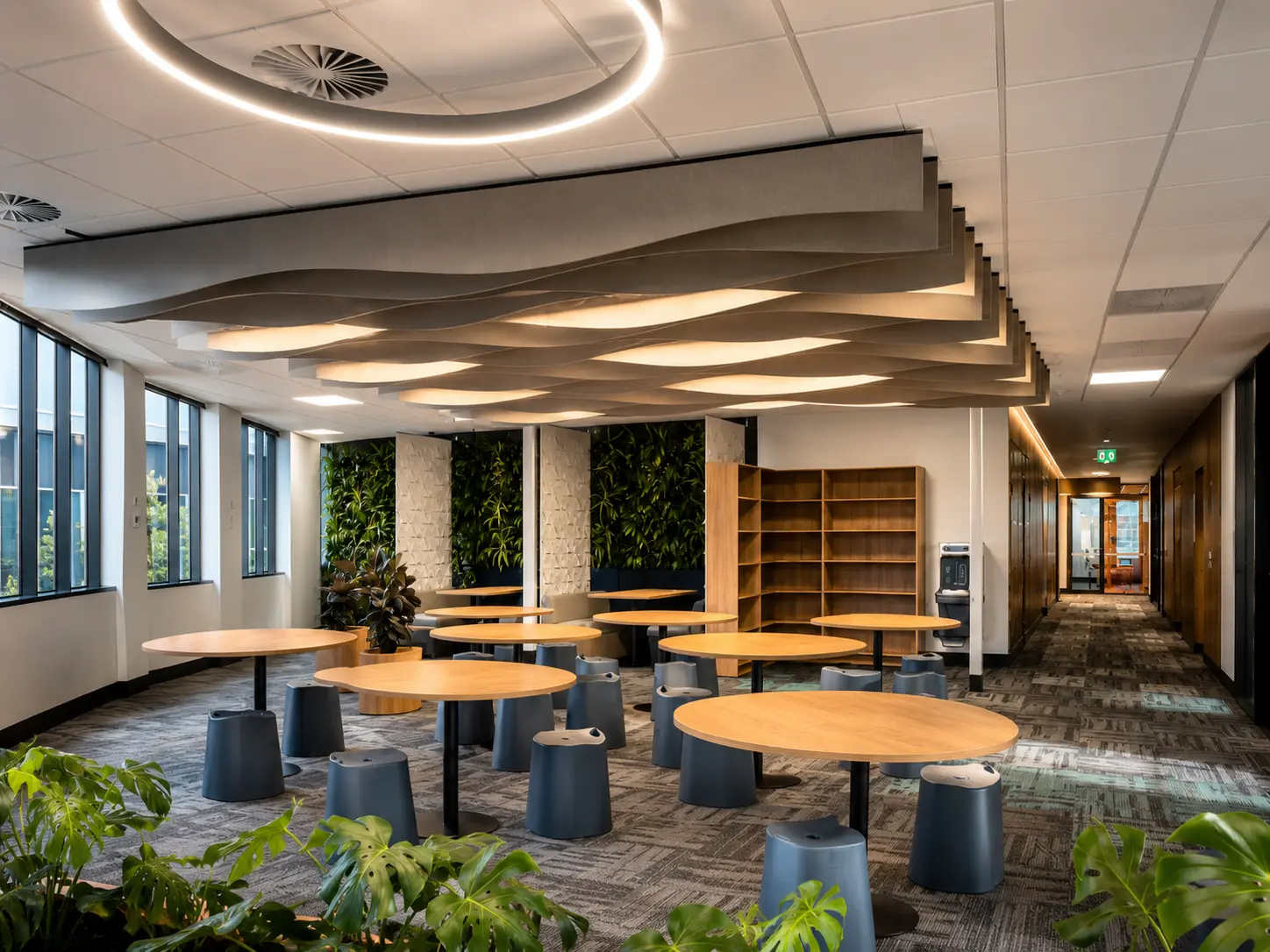
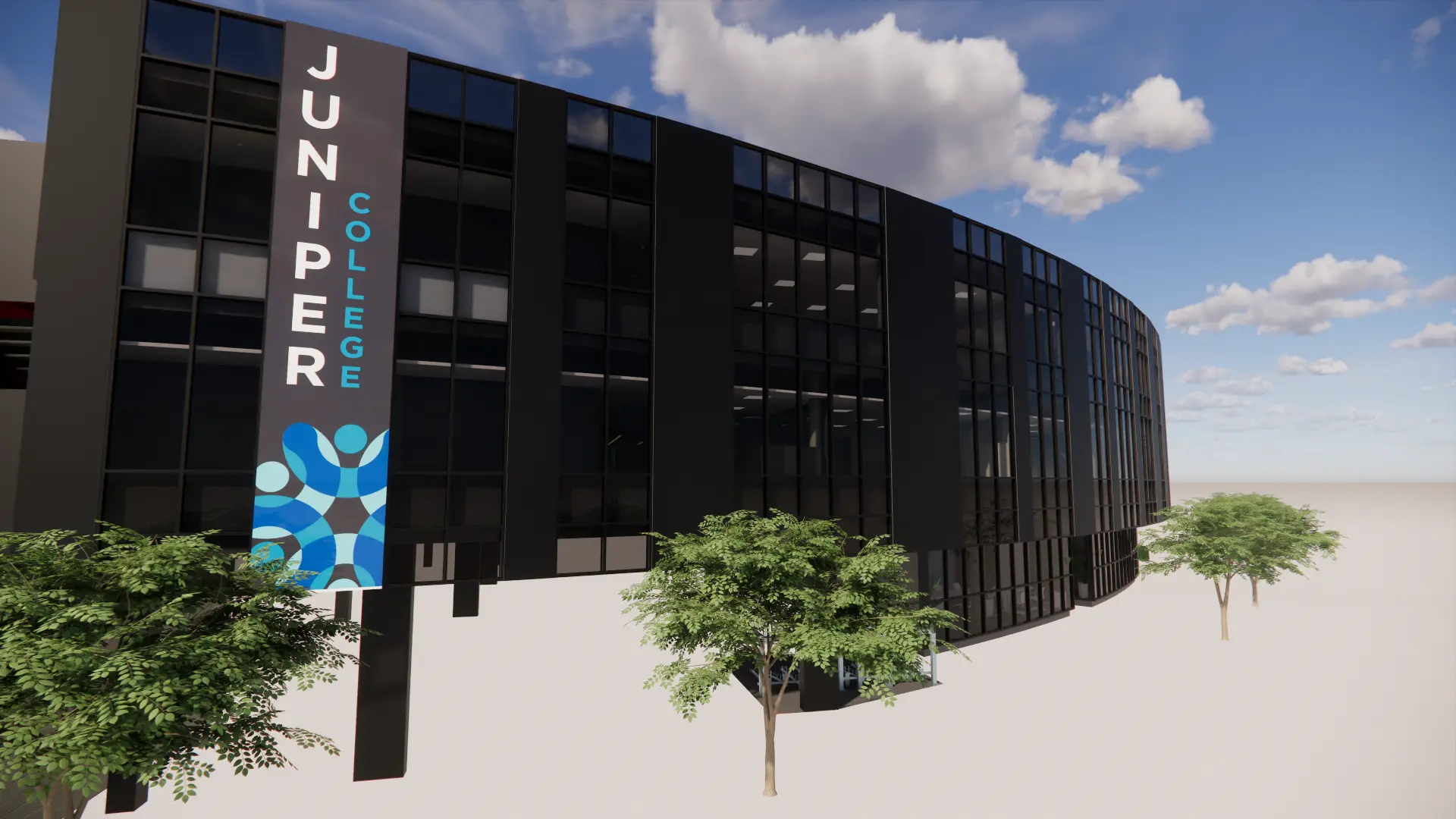
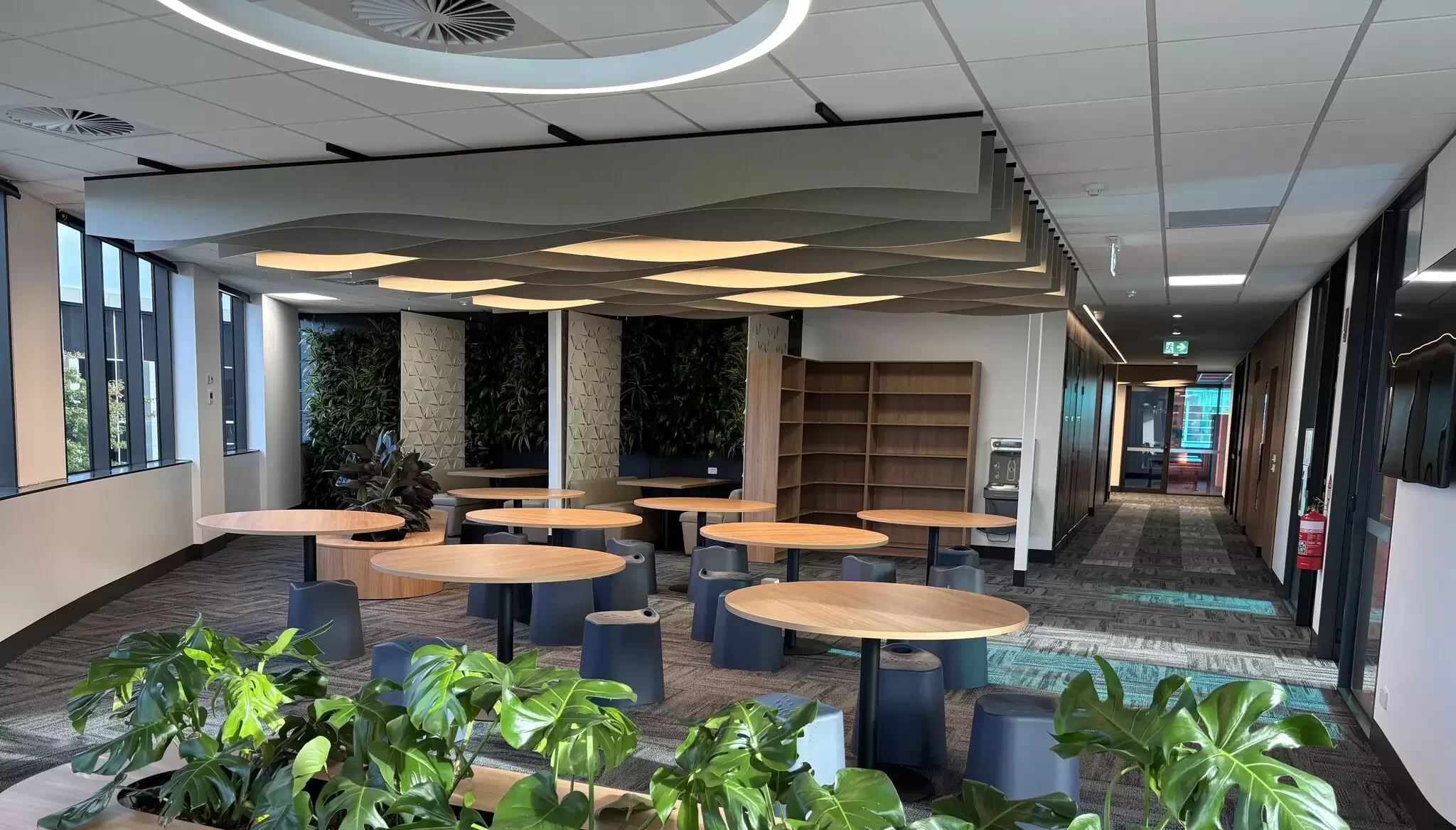
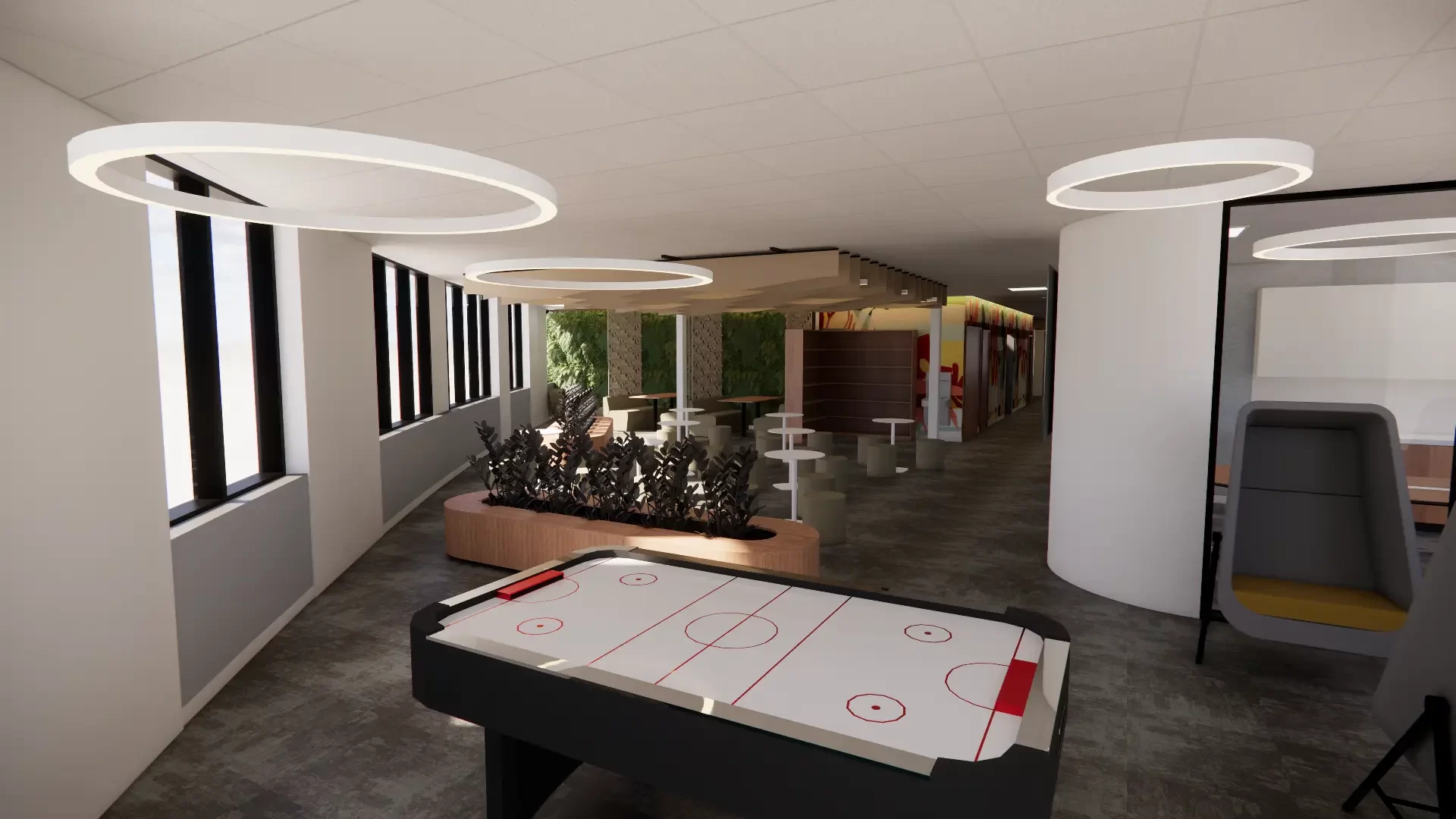
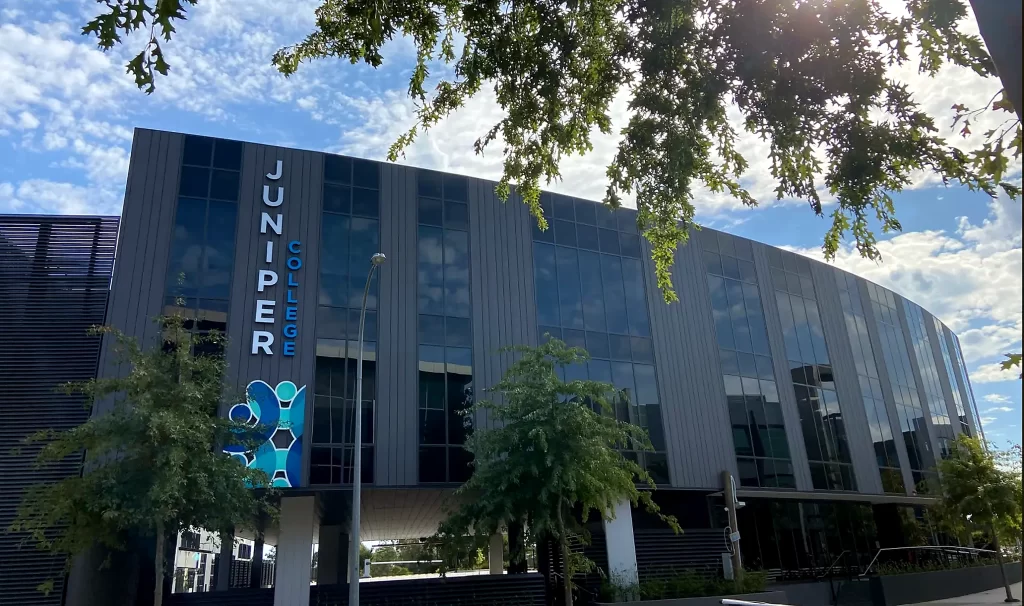
More recently, Juniper College has become a standout project in his career.
The project involved transforming a recently completed three-storey office building into a functioning school environment.
“Working closely alongside the principal to create the most functional space possible, while ensuring all fire and egress requirements were met, was a great learning experience.”
As one of the largest projects he has completed to date, it reinforced the importance of collaboration, adaptability and thoughtful design.
The Future of Commercial Design
Commercial spaces continue to evolve, with clients increasingly seeking environments that feel welcoming, comfortable and authentic.
According to Malcolm, there is a growing focus on natural materials, organic forms and human-centred design.
“We’re seeing more natural finishes, organic-shaped joinery, green spaces, softer lighting and colour palettes that create comfort within specific zones.”
In hospitality environments, social media also plays a role.
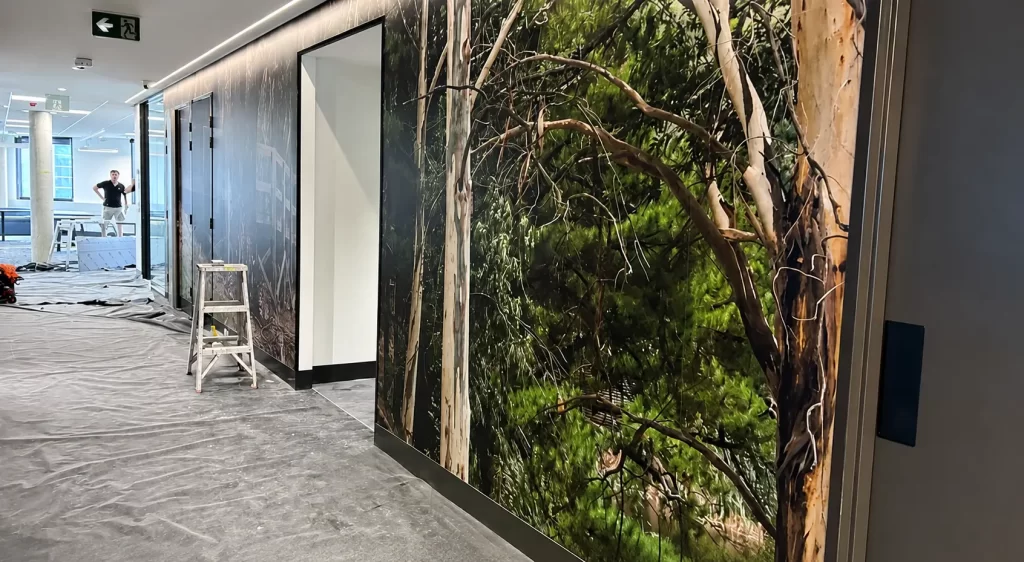
“Feature walls and creating those Instagram-worthy moments are becoming increasingly important.”
What Makes a Great Space?
For Malcolm, successful spaces share one common trait. “Attention to detail.”
From carefully considered lighting to cohesive finishes and quality workmanship, the small details often make the biggest difference.
And when clients first walk into a completed project?
“I hope they feel content that their vision has been effectively brought to life.”
At Associated Design Studio and Associated Projects, that’s exactly what our team strives to achieve: taking a client’s vision, refining it through thoughtful design and collaboration, and transforming it into a space that not only looks exceptional but performs for years to come.
Explore Our Services
Internal Links
- /services
- /design-construct
- /early-contractor-involvement
- /fit-out-services
- Adidas Spencer Street project page
- Tarocash project page
- Hardy & Harper project page
Attribution
This article was originally developed by Associated Projects for BDC distribution and has been adapted here for the Associated Projects website.