How to Avoid Cost and Timing Blowouts in Your Store Fit Out
Delivering a successful retail or hospitality fit out isn’t just about great design and quality construction; it’s about managing risk. Cost overruns, program delays, and unforeseen site challenges are common in shopfitting projects, but with the right preparation, most of them can be prevented.
At Associated Projects, we’ve delivered retail environments across Australia for more than 70 years. Here are the essential steps we recommend keeping your store fit-out on budget and on schedule.
Clearly Define Your Site and Operational Requirements Early
Before signing a lease or committing to a location, get crystal clear on what your business needs to operate effectively. Consider:
- Location and customer access
- Parking and delivery requirements
- Noise allowances
- Power, gas, and mechanical needs
- Lighting, plumbing, and exhaust systems
- Refrigeration and cool-rooms
- Flooring and ceiling heights
- Walls, preparation areas, bars, and service zones
Knowing this upfront helps determine whether the proposed site can realistically support your business — and at what cost.
Conduct a Thorough Site Suitability and Risk Assessment
A site that looks ideal at first glance may conceal risks that can blow out your budget or schedule. Assess the space for:
- Size and layout flexibility
- Structural constraints
- Asbestos or hazardous materials
- Poor access for construction
- Aged or non-compliant services
Early due diligence protects you from costly surprises later.
Assess Whether the Investment Aligns with Expected Return
A brilliant location doesn’t always translate to a smart investment. Before progressing, evaluate whether the projected revenue justifies the site’s condition, build complexity, and long-term operational costs. Making this call early avoids sunk costs on design, engineering, and negotiations.
Engage Experienced Advisors Early
Get the right people around the table from day one. Leasing experts, builders, planning consultants, and surveyors can identify risks, guide negotiations, and provide clarity around compliance. Their early involvement prevents small oversights from turning into expensive mistakes.
Confirm Site Usage Rules and Compliance Requirements
Zoning and council controls can significantly influence your design and cost. Confirm:
- Permitted uses
- Car parking allocations
- Trading hour restrictions
- Noise limits
- Exhaust and waste requirements
- Other regulatory constraints
Understanding these early ensures your concept is feasible — before you spend on design.
Obtain Accurate Base Information from the Landlord
Inaccurate or missing documentation is a leading cause of redesigns and variations. Request the latest:
- As-built plans
- Surveys
- Services drawings
- Base-building specifications
Accurate information helps your design and construction teams accurately estimate the project.
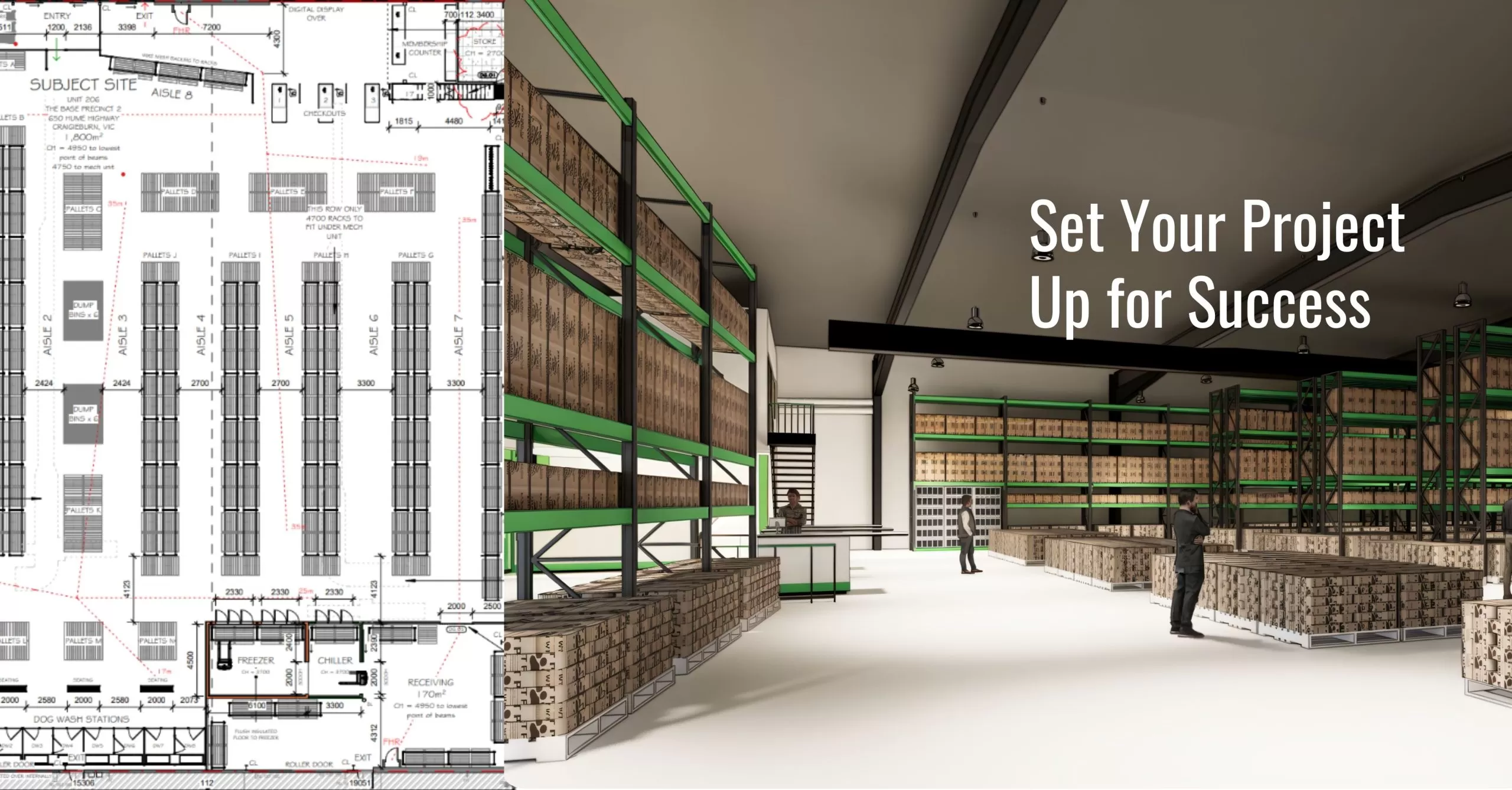
Develop a Preliminary ‘Mud Map’ Before Committing
A simple early layout plan helps you test whether your operational requirements fit within the space. It also highlights potential structural changes, service relocations, and areas where costs could escalate.
Validate Infrastructure Capacity Early
Many cost blowouts stem from discovering too late that the site’s existing infrastructure can’t support your operations. Early checks should confirm:
- Incoming power capacity
- Water and gas availability
- Sewer and trade waste allowances
- Mechanical and ventilation systems
Upgrades in these areas can be significant — identifying them early informs smarter budgeting and lease negotiations.
Identify Building-Specific Cost Drivers
Every building has its quirks. Look for constraints such as:
- Low ceilings
- Heritage overlays
- Limited access for construction
- Poor-condition base-building services
- Complex ventilation paths
Understanding these risks early helps set realistic budgets and timelines.
Document Assumptions and Risks Before Signing Anything
Before leases, design agreements, or construction contracts are finalised, document all known assumptions, risks, and required investigations. Clear records ensure all parties understand potential challenges and help avoid disputes or unexpected variations during the build.
Set Your Project Up for Success
Successful store fitouts aren’t just about great construction; they’re about great planning. By investing time upfront to assess your site, understand your operational requirements, and identify risks, you dramatically reduce the chance of cost or timing surprises.
If you’re planning a new store or refurbishment, our team at Associated Projects is here to help you navigate the process with confidence.
Get in touch:
📞 (03) 8787 3000
📧 sales@associatedprojects.com.au
🌐 associatedprojects.com.au