Planning Your 2026 Store Fit-Out: A Strategic Guide
Why Strategic Planning Matters for Your 2026 Retail Fit-Out
Planning a store fit-out is a major investment that shapes how customers experience your brand and how efficiently your business operates. Whether you’re an independent retailer, a procurement professional, or leading a national rollout, success depends on aligning design, budget, timelines, and delivery partners from the outset.
This guide outlines a practical, end-to-end approach to planning your 2026 store fit-out; Helping you make confident decisions, manage risk, and deliver a space that supports both commercial performance and long-term growth.
What Is a Retail Store Fit-Out and What Does It Include?
A store fit-out covers everything required to transform a retail space into a fully operational store. This includes layout planning, construction works, fixtures and fittings, finishes, lighting, technology, and compliance.
Before any design work begins, it’s critical to define what success looks like for your business. Are you focused on improving customer flow, increasing dwell time, supporting higher transaction values, or streamlining operations? Clear objectives ensure every decision supports your broader strategy.
Defining Clear Objectives for Your Retail Fit-Out Project
Strong fit-outs start with clear, measurable goals. These may include:
- Enhancing customer experience
- Increasing average spend per visit
- Improving operational efficiency
- Supporting a refreshed brand identity
Well-defined objectives help align stakeholders, guide designers and contractors, and reduce scope creep as the project progresses.
Evaluating Your Existing Retail Space Before a Fit-Out
Assessing your current store (or comparable sites) provides valuable insights before design begins. Consider:
- Customer flow and congestion points
- Effectiveness of product displays
- Back-of-house functionality
- Safety, compliance, and accessibility
This evaluation highlights what should be retained, improved, or completely reimagined, and forms a solid foundation for the design brief.
Integrating Retail Technology into Your Store Fit-Out Design
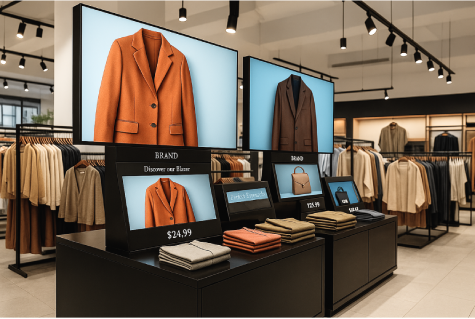
Retail technology continues to evolve, but it should always serve a clear function. From mobile POS and smart fitting rooms to digital displays and data capture tools, technology should enhance the experience, not complicate it.
The most effective stores integrate technology seamlessly, supporting staff efficiency while improving customer engagement and insight.
Key Planning Considerations
Budgeting
Retail Fit-Out Costs: Budgeting and Financial Planning for 2026
Understanding the true cost of a store fit-out is essential. Rather than focusing solely on upfront pricing, assess long-term value. Quality materials, durable fixtures, and well-considered design often reduce maintenance and lifecycle costs.
Engage experienced fit-out specialists early to develop accurate budgets and realistic cost allowances.
Building a Realistic Store Fit-Out Budget
Your budget should account for:
- Design and documentation
- Construction and services
- Fixtures, fittings, and finishes
- Technology and equipment
- Authority approvals and compliance
- Contingency for unforeseen conditions
A realistic budget protects your investment and reduces the risk of delays or compromises later in the project.
Consider Financing Options
Depending on your structure and growth plans, financing may include bank lending, leasing, or internal capital allocation. Each option carries different cash-flow and risk implications, so professional advice is recommended.
How Long Does a Retail Fit-Out Take? Timelines and Scheduling
Fit-out timelines vary based on size, complexity, approvals, and supply chains. Early planning is critical—particularly in live retail environments or shopping centres.
Setting Realistic Retail Fit-Out Timeframes
Allow time for:
- Design development and approvals
- Authority permits
- Long-lead materials and fixtures
- Staged works in live environments
Experienced turnkey fit-out partners help manage these variables and maintain momentum.
Using Project Management to Protect Deadlines
Clear programs, milestone tracking, and regular reporting ensure accountability and visibility throughout delivery—particularly for multi-site rollouts.
Design & Brand
Retail Fit-Out Design: Balancing Brand Identity and Functionality
Your store should be a physical extension of your brand. Layout, materials, lighting, and fixtures must balance visual impact with durability and operational practicality.
Functional Store Layouts That Support Sales
Great retail design supports:
- Clear customer navigation
- Effective product presentation
- Efficient staff workflows
Future-proofing through modular fixtures or adaptable layouts also allows stores to evolve as trends change.
Contractors
Choosing the Right Retail Fit-Out Contractor in Australia
What to Look for in a Commercial Fit-Out Contractor
A reputable commercial fit-out contractor provides end-to-end accountability, From design coordination through to handover. Look for proven retail experience, strong compliance systems, and transparent communication.
Shopfitters
Working with Shopfitters for New Store Openings
Shopfitters play a critical role in translating design into durable, functional fixtures. Custom solutions often deliver better outcomes when aligned with brand standards and operational needs.
Turnkey Services
The Benefits of End-to-End Retail Fit-Out Services
Turnkey fit-out providers streamline delivery by managing design, approvals, construction, fixtures, and aftercare under one contract. This reduces risk, simplifies communication, and protects timelines and budgets.
Procurement & Supply Chain
Retail Fit-Out Procurement and Supply Chain Management
Selecting Reliable Retail Fit-Out Suppliers
Strong supplier relationships support quality, consistency, and cost control. Performance tracking and diversified sourcing reduce exposure to disruptions and price volatility.
Managing Rising Material and Freight Costs
With ongoing pressure on freight and materials, proactive forecasting, bulk purchasing strategies, and contingency planning are essential to protect budgets.
Compliance, Reporting, and Cost Transparency
Clear reporting structures keep stakeholders informed and ensure procurement activities align with regulatory and governance requirements.
National Rollouts
Managing National Retail Fit-Out Rollouts at Scale
For multi-site programs, consistency is critical.
- Standardise design, approvals, and documentation
- Define contractor performance metrics
- Maintain strict programme and budget controls
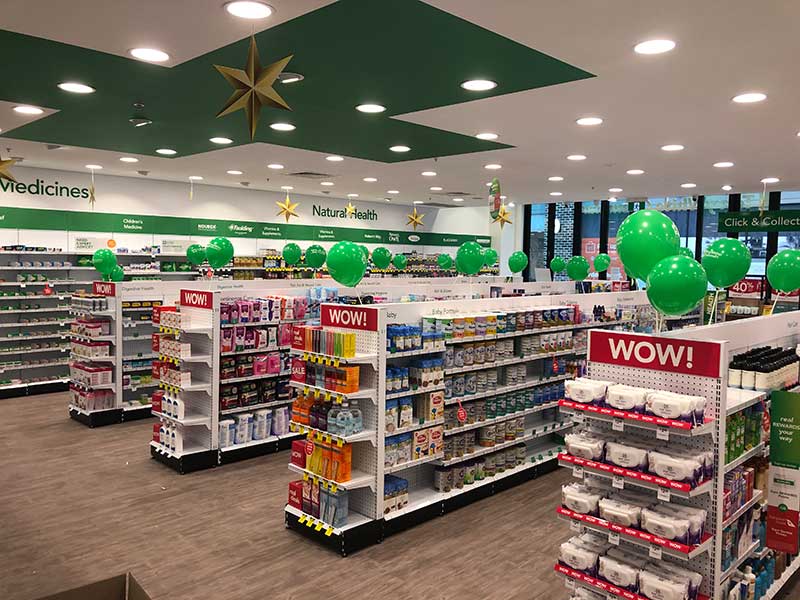
A structured approach ensures brand integrity while enabling efficient, scalable delivery across locations.
Conclusion
A Strategic Approach to Your 2026 Retail Store Fit-Out
A successful store fit-out is more than a visual upgrade; it’s a strategic investment in customer experience, operational efficiency, and brand growth.
By defining clear objectives, planning budgets and timelines carefully, and partnering with experienced fit-out specialists, you can deliver a retail environment that performs today and adapts for tomorrow.
With the right preparation and delivery team, your 2026 store fit-out can become a powerful platform for long-term success.